Your Guide to Preventing and Managing Heel Pain
As many of us know, dealing with heel discomfort can be a real drag on daily life. Whether you're an avid runner, work long shifts on your feet, or simply enjoy wearing stylish heels, tackling this issue early helps prevent more serious problems down the road. In this post, we'll dive into common causes, practical solutions, and tips for long-term relief—all centered around keeping your heels healthy. By understanding how our daily choices affect heel stress, you can take steps toward pain-free movement.
First off, heel pain often stems from everyday factors like excessive impact or improper footwear. Conditions such as plantar fasciitis, where the tissue at the bottom of your foot becomes inflamed, are incredibly common. Other triggers include Achilles tendonitis from sudden increases in activity, worn-out shoes failing to cushion your heels, or even standing for prolonged periods on hard surfaces. Don't overlook weight-related issues either; extra pounds can intensify pressure on your feet. Recognizing these signs is key—symptoms usually start as a dull ache around the heel bone but might escalate to sharp pain when walking or rising. Ignore them, and mild heel soreness could morph into mobility limits, so act early with simple adjustments like swapping ill-fitting heels for supportive options or adding cushioned insoles.
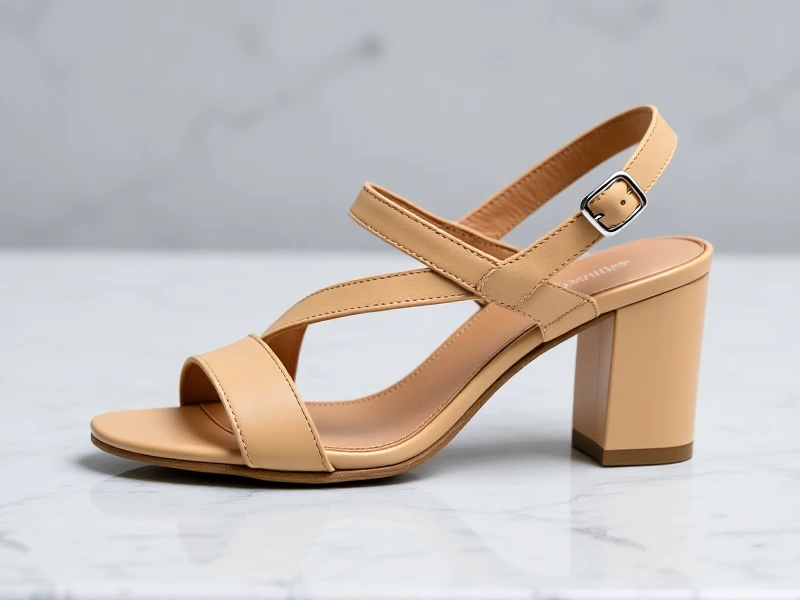
Luckily, most heel troubles respond well to at-home remedies and preventive habits. Stretching exercises, such as rolling a tennis ball under your feet or doing calf raises daily, boost flexibility and ease tension. Try icing the affected heel for 10-15 minutes to reduce inflammation after activity—repeat this a few times a week. For persistent pain, consult a specialist who might recommend custom orthotics or physical therapy. When choosing shoes, prioritize designs with good arch support—whether opting for comfy sandals with contoured heel cups or ergonomic heels with rubber soles. Investing in quality footwear not only comforts your heels but also prevents future flare-ups. Remember, consistency pays off; pair these steps with weight management and rest days to see steady improvement.
If discomfort lingers despite your efforts, it's wise to seek medical advice—sometimes heel pain signals underlying problems needing professional treatment. At our platform, we offer insights on selecting the best heel-friendly products for your lifestyle. Share your experiences; we love hearing how small tweaks lead to big relief!